Month: November 2026

How to Choose a Drain Cleaning Service in Piraquara PR

How to Choose a Drain Cleaning Service in Piraquara PR

The most common mistake people make when they first need a desentupidora em Piraquara PR is calling the first number they find without checking what the service actually includes. A blocked drain is urgent, but choosing the wrong provider can turn a small clog into a repeated problem and a much larger bill. The right approach is to compare how each company works, what equipment it uses, and whether it offers emergency coverage before you agree to anything.

In Piraquara, a city in the Curitiba metropolitan area, many homes and businesses rely on older pipe systems and septic tanks. That makes local knowledge important. A provider that understands the region’s typical drainage issues will diagnose faster and avoid unnecessary digging. This comparison looks at the practical differences between the main types of providers you will find, so you can make a confident first-time choice.

What separates a reliable provider from a risky one

When you search for a desentupidora Piraquara, you will see three broad options: independent handymen, local general maintenance firms, and specialized drain cleaning companies. The differences matter most in three areas: equipment, response time, and how they handle the waste they remove.

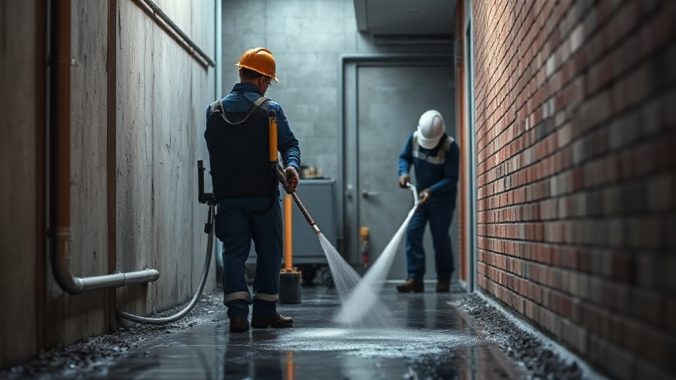
Equipment is the first real differentiator. A manual auger or a small plunger can clear a simple sink clog, but it will not solve a root intrusion or a grease blockage deep in the main line. Professional providers use motorized snakes and high-pressure hydro jetting machines that scour the pipe walls. If a company only offers manual tools, expect the clog to return.

Response time is the second factor. A true emergency service operates 24 hours, including nights and weekends. Many general firms advertise drain cleaning but only answer during business hours. For a backed-up sewer line that is flooding a bathroom, that delay is costly. Ask directly whether the phone is answered by a technician or a call center, and whether they can give an estimated arrival window.

The third factor is waste disposal. After clearing a septic tank or a grease trap, the removed material must be transported and treated according to environmental rules. A provider that cannot explain where the waste goes is a liability. Specialized companies usually have proper vacuum trucks and disposal partnerships.

Comparing the main service types in prose

Instead of a long checklist, think of the comparison as a short table written out. On one side, you have a general handyman: low upfront price, but limited tools, no emergency line, and no waste disposal license. In the middle, a local maintenance firm: moderate price, some motorized equipment, but often no hydro jetting and inconsistent availability. On the other side, a specialized drain cleaning company: higher base price, but full equipment, 24-hour emergency response, and documented disposal.

For a simple kitchen sink clog, the handyman may be enough. For a recurring sewer backup, a septic tank that needs pumping, or a commercial grease trap, the specialized company is the safer choice. The mistake is paying a low price for a job that requires professional equipment, then paying again when the problem returns. A desentupidora Piraquara PR that specializes in emergency hydraulics will typically include a camera inspection to confirm the cause before quoting a final price.

Step-by-step: how to hire for the first time

Follow these steps in order to avoid the most common pitfalls.

  1. Describe the problem clearly. Note where the water backs up, whether it smells, and whether multiple drains are affected. This helps the technician bring the right equipment.
  2. Ask for an inspection before a final quote. A camera or visual check should confirm whether the blockage is in a branch line or the main sewer.
  3. Confirm the price structure. Ask whether the quote covers the first hour, additional meters, and waste removal. Get it in writing or by message.
  4. Check emergency availability. If the problem is active, confirm they can come the same day and ask for a realistic arrival window.
  5. Request a simple prevention tip after the service. A good provider will tell you what caused the clog so you can avoid repeating it.

One extra step that many first-timers skip: ask whether the company carries liability insurance. If a technician accidentally damages a pipe or a tile, you want to know who pays. This is a standard question for reputable firms and a warning sign if they hesitate.

Recommendation and final considerations

For most residents and small business owners in Piraquara, the best value is a specialized drain cleaning service that offers 24-hour emergency response and uses hydro jetting when needed. The slightly higher upfront cost is offset by fewer repeat visits and a proper diagnosis. If you are dealing with a simple, isolated clog and budget is the only concern, a local handyman can work, but confirm they have a motorized snake and will remove the waste responsibly.

Before you call, gather your address, the number of affected drains, and any history of previous blockages. That information shortens the call and helps the provider give a more accurate estimate. Keep a record of the service date and the cause found, because patterns—such as roots entering the line every year—are easier to prevent once documented.

Finally, remember that prevention is cheaper than emergency repairs. Avoid pouring grease down the sink, use drain screens, and schedule a maintenance check if your property has older pipes or a septic system. A reliable provider will be happy to set up a reminder. With the comparison above, you can choose a service in Piraquara that solves the problem once and gives you a clear plan for keeping it solved.
Hydrojetting on a Campo Limpo Street: What the High-Pressure Hose Actually Does

Hydrojetting on a Campo Limpo Street: What the High-Pressure Hose Actually Does

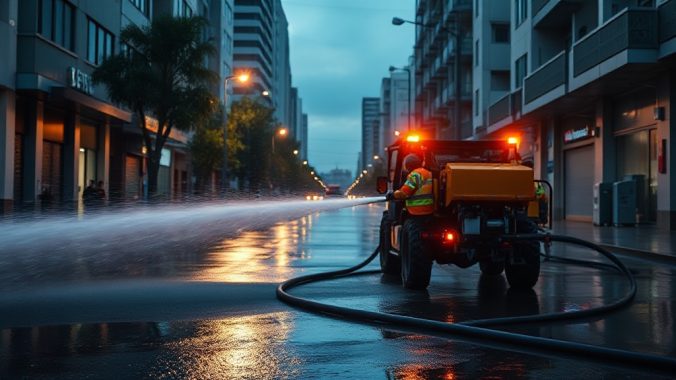
You hear it before you see it: a low, steady roar, then the slap of water against metal as a coiled hose disappears into a drain outside a bakery or a residential gate. That sound is hydrojetting, and on a Campo Limpo street it usually means a blockage has moved past the plunger-and-pipe stage. If you have been searching for a desentupidora Campo Limpo, this is the technique you are most likely to see in action.

Hydrojetting is not a bigger version of a drain snake. It is a cleaning method that uses water at controlled high pressure, pushed through a specialized nozzle, to scour the inside walls of a pipe rather than simply punch a hole through the clog. Understanding what happens during those minutes of noise explains why crews choose it, what it can and cannot fix, and what you should expect if a truck pulls up outside your building.

What the high-pressure hose is actually doing inside the pipe

The visible part is a hose being fed into a cleanout or a floor drain. The working part is the nozzle at its tip. Most hydrojetting nozzles are designed to do two things at once: spray water forward to break up the mass ahead, and spray backward to pull the hose deeper and flush debris toward the exit. That backward spray is why the hose seems to crawl into the pipe on its own.

Pressure is only half the story. Flow volume matters just as much, because it is the volume that carries grease, soap residue, sand, and paper pulp out of the line instead of leaving them to settle again a few meters downstream. A crew will usually start at a lower setting and increase it once they see how the pipe responds.

Water, not blades

A mechanical snake cuts or pushes through a blockage. Hydrojetting scrubs the full circumference of the pipe. That difference matters in older buildings where grease has layered onto the walls for years: the drain may run slowly rather than stop completely, and a snake can pass through without removing the coating that keeps causing backups.

The nozzle is chosen for the job

Different nozzles handle different problems. A penetrating nozzle focuses on a hard clog, while a flushing nozzle is built to wash a long section of pipe. For grease-heavy restaurant lines, the crew may use a nozzle with rotating jets. The choice is made on site, after the technician sees the pipe diameter and the type of waste.

Why Campo Limpo streets see this technique so often

Campo Limpo mixes narrow residential streets with busy commercial frontages, and that mix creates the conditions hydrojetting is good at handling. A single block can have a bakery, a small restaurant, a laundromat, and several apartment buildings sharing an older underground network. Grease from kitchens, lint from laundry, and ordinary household waste all meet in the same pipes.

Many of these buildings were plumbed decades ago, and some have had extensions, extra sinks, or new bathrooms added without a full review of the drainage capacity. When flow slows in that kind of network, the cause is often accumulated buildup rather than a single object stuck in the line. That is exactly the situation where a desentupidora Campo Limpo São Paulo SP team is likely to recommend hydrojetting over a simple rodding job.

Rain also plays a role. In heavy downpours, stormwater can overload older lines, and the debris that settles afterward narrows the pipe further. A crew called out after a backup may find roots, silt, and grease combined, which is more than a plunger or a hand snake can clear.

When hydrojetting is the right call and when it is not

Hydrojetting is a strong option for grease buildup, soap scum, sediment, and soft blockages in pipes that are structurally sound. It is also used as preventive maintenance in commercial kitchens and condominiums, where clearing a line before it fails is cheaper than an emergency call at night.

It is not the right tool for every situation. A collapsed pipe, a badly cracked section, or a line already weakened by corrosion can be damaged by high pressure. That is why a responsible crew inspects before blasting. A camera inspection, when available, shows whether the pipe can take the pressure or whether a different approach is needed.

Situations where the crew may choose another method

  • Fragile or corroded pipes that could crack under pressure.
  • Hard objects such as toys, bottles, or construction debris that need to be retrieved or broken up first.
  • Root intrusions that require cutting before the line can be cleaned.
  • Lines with no proper access point, where a cleanout may need to be opened first.

For a resident, the practical takeaway is simple: if a technician arrives and inspects before starting, that is a good sign. If someone offers to hydrojet immediately without checking the pipe condition, ask questions.

What you will hear, see, and smell during the service

The noise is the first thing neighbors notice. A hydrojetting unit is louder than a pressure washer and runs steadily rather than in bursts. Inside the building, the sound travels through the pipes, so a drain in a back kitchen may be audible in a front room. This is normal and usually lasts from a few minutes to under an hour, depending on the length of the line.

You may also see water and debris coming out of a cleanout or an inspection opening. The crew typically places a container or a protective mat to catch the discharge, but some splashing around the access point is common. After the job, the line should drain faster, and standing water in floor drains should disappear.

Smell is part of the process too. Disturbing years of buildup can release odors that were trapped in the pipe. Ventilating the area and running water through the drains afterward helps clear it. If a strong smell persists for more than a day, it is worth calling the crew back to check that the line is flowing freely.

What a professional crew brings

A proper hydrojetting setup includes a high-pressure pump, a reel of hose rated for the pressure used, a set of nozzles, and protective equipment for the technicians. In a dense neighborhood like Campo Limpo, the crew also needs to manage the hose run from the truck to the access point without blocking a driveway or a sidewalk for longer than necessary. A desentupidora em Campo Limpo São Paulo SP that works in the area regularly will be used to those constraints.

How to judge whether the job was done properly

The clearest sign of a good hydrojetting job is not the noise or the volume of water used. It is how the drain behaves in the days that follow. A line that was cleaned properly drains at a steady rate, does not gurgle, and does not back up when several fixtures are used at once.

Ask the technician what was found and what was removed. Grease, sand, paper, and roots each tell a different story about the pipe. If the crew used a camera before and after, ask to see the footage, especially if the same line has backed up more than once. Recurring blockages in the same spot often point to a structural problem rather than a cleaning problem.

Finally, keep the access point clear. A cleanout that is buried under a planter or covered by a paved slab makes every future service slower and more expensive. In a neighborhood where buildings share tight spaces, a few minutes spent marking and clearing the cleanout can save hours later.

The high-pressure hose is a tool, not a cure-all. On a Campo Limpo street, it is most useful when the problem is buildup in a sound pipe, and it is most valuable when the crew inspects first, explains what they found, and leaves the line flowing the way it should.

© 2026 ororavodeck.link

Theme by Anders Noren — Up ↑